
Practical Tips for Decorating a Rental Flat Without Damage
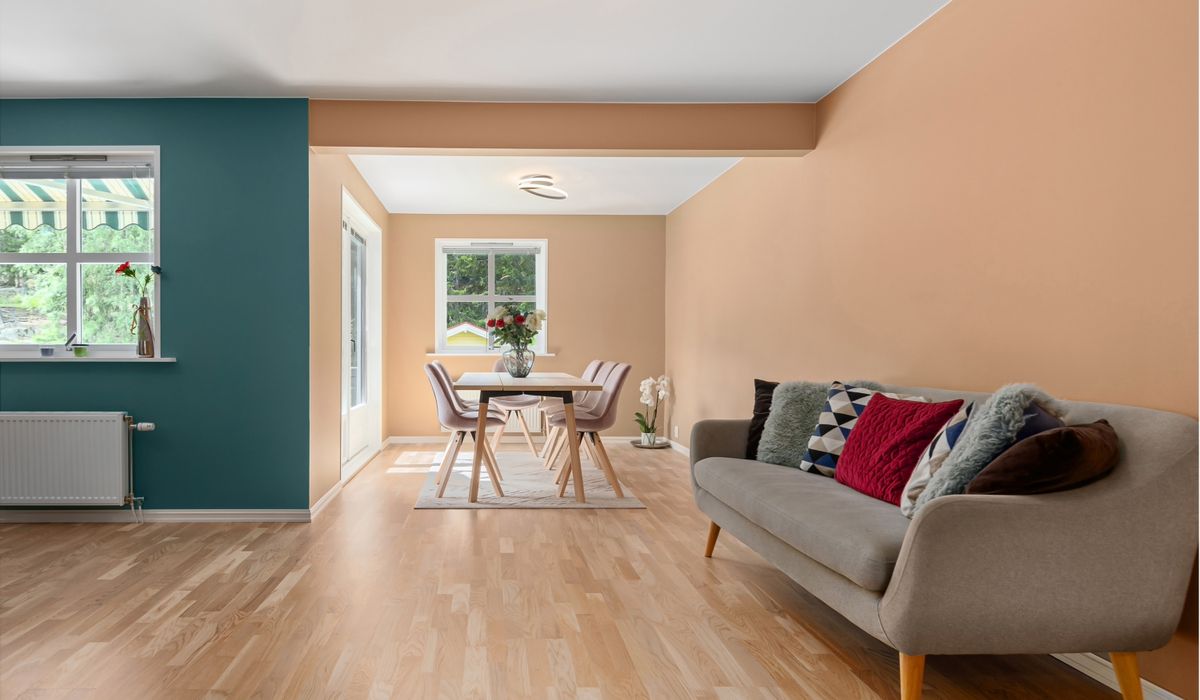
Renting a flat in Britain often means living with magnolia walls, a landlord's beige carpet and a clause forbidding so much as a nail in the plaster. Yet a rented home is still your home, and there is no reason it cannot feel warm, layered and completely yours. The secret is to decorate in a way that can be undone in an afternoon — the approach letting agents call "reversible" and the rest of us call "sensible".
Begin With Your Deposit in Mind
The best decorating decisions start with a clear picture of what you are protecting. Spend ten minutes on this before you buy a single cushion cover.
- Photograph every room on the day you move in, including ceilings, skirting boards and the insides of cupboards. Date the images.
- Note any existing marks, chips or damp patches in writing and send them to your letting agent, so you cannot be blamed for them later.
- Check your tenancy agreement for the exact wording on fixtures, picture hooks and redecoration. Many landlords will agree to small changes in writing if you promise to put things back.
- Start a reinstatement box for the original lampshades, curtain hooks, shelf brackets and spare tiles you take down. Label it and keep it somewhere dry.
None of this is glamorous, but it means you can decorate with confidence rather than a nagging worry about your money.
Removable Wallpaper and Peel-and-Stick Panels
Self-adhesive wallpaper has improved enormously and now comes in patterns that would fool most visitors into thinking you paid a decorator. Use it on one wall — the alcove beside a chimney breast, the panel behind a bed, or the inside of a cupboard turned display shelf. It gives the biggest visual change for the smallest risk.
A few practical rules will keep it on the wall and off your deposit:
- Test a small square in an inconspicuous corner and leave it for 48 hours before committing to a whole wall.
- Wash the wall with sugar soap and let it dry completely. Dust is the enemy of adhesion.
- Avoid freshly painted or newly plastered walls; give them at least four weeks to cure.
- Smooth the paper down with a felt-edged squeegee, working from the centre outwards to push out air bubbles.
- When you leave, warm the paper gently with a hairdryer on a low setting and peel it back slowly at a shallow angle.
Freestanding Shelves and Furniture That Works Harder
If you cannot put shelves on the wall, put them on the floor. Freestanding and leaning units do the same job without a single screw, and they are easy to take with you when you move.
- Choose a narrow ladder shelf for a hallway or living room corner. It takes up very little floor space and draws the eye upwards, which makes a low ceiling feel taller.
- Use a slim console table behind the sofa to hold lamps, books and a bowl of keys, adding a layer of interest without touching the wall.
- Freestanding wardrobes and cube storage can be arranged to hide an ugly radiator or define a sleeping area in a studio flat.
- Turn two cube units on their sides and stack them to create a low sideboard, finishing the back with a sheet of removable paper or a length of fabric.
- Always fit the anti-tip restraint supplied with tall furniture, and ask your landlord about fixing it properly. Safety comes before any deposit.
Tension Rods: The Renter's Best-Kept Secret
A tension rod needs no screws and no drilling; it simply grips between two flat surfaces. Measure the gap carefully, allowing about two centimetres of overlap on each side, and choose a rubber-capped version so the paintwork stays untouched.
- Hang a proper curtain in a window recess in minutes, which instantly softens a room and hides ugly blinds.
- Run one inside a kitchen or bathroom cupboard to hang spray bottles or mugs from S-hooks.
- Create a wardrobe in a box room by stretching a rod between two freestanding units and draping a linen curtain over it.
- Suspend a fabric panel as a soft room divider, or use a shorter rod under a shelf for tea towels and utensils.
Lighting, Textiles and Cosy Finishing Touches
The fastest way to make a rental feel like yours is not wallpaper — it is light and texture. Landlords tend to fit one harsh ceiling light per room, so work around it with plug-in lamps: a floor lamp in a corner, two table lamps on a sideboard, a clip-on reading light for a shelf. Swap the shade for something woven or linen and store the original in your box.
- Layer a large wool or jute rug over tired carpet. It warms the floor, deadens sound and disguises stains. Use anti-slip underlay.
- Hang curtains as close to the ceiling as the recess allows to add height, and let them pool slightly for a relaxed, lived-in look.
- Use removable adhesive hooks for lightweight art, choosing a rating well above the weight of the frame, and press firmly for the full recommended time before hanging anything.
- Add cushions, throws, a couple of easy houseplants and a favourite scent. Cosy is a feeling as much as a colour scheme.
Leaving It Exactly as You Found It
Set aside an afternoon before your final inspection. Peel wallpaper slowly, fill small picture holes with a little lightweight filler, sand lightly and touch up with a match pot of paint if your landlord has left one. Remove adhesive hooks by pulling downwards rather than outwards, and lift any residue with warm soapy water. Never repaint a wall in a different colour without written permission.
Most landlords appreciate a tenant who leaves things tidy and is honest about any small mishaps. Keep your photographs, return the original fittings to their places, and you will hand back a flat that looks much as it did on day one — only better, because you lived in it well.

4 Comments