
Creating a Calm Bedroom Corner with Soft Lighting
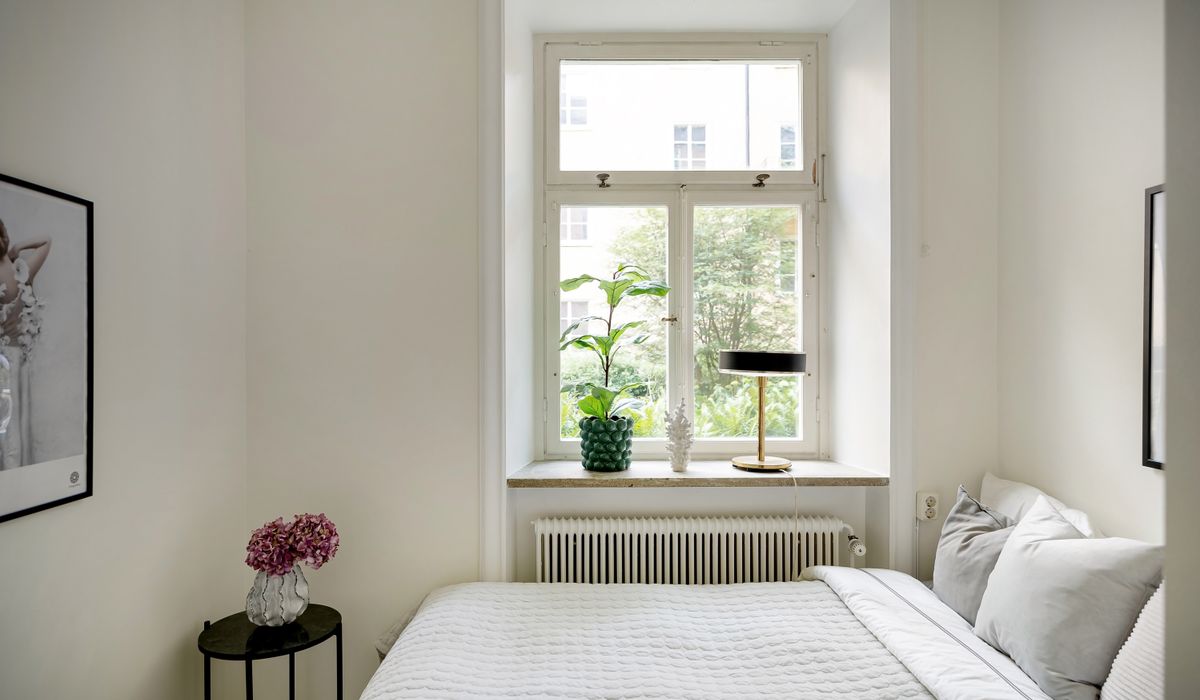
Why an Unused Corner Deserves a Second Look
Most British bedrooms have one of those awkward corners. Perhaps it sits beside a chimney breast, behind the door, or under a sloping ceiling. It is too small for a wardrobe and too narrow for a chest of drawers, so it becomes a dumping ground for laundry or a tangle of charging cables. Yet with a little thought, that same corner can become the most restful spot in the house. A calm bedroom corner is not about grand gestures. It is about soft light, gentle texture and a simple place to sit. The aim is a quiet retreat for reading a few pages before bed, sipping a morning cuppa, or simply resting your eyes away from the main room.
Finding the Right Spot for Your Quiet Corner
Before you move a single cushion, study the corner at different times of day. You want a spot that feels tucked away but not gloomy. Avoid placing your chair directly opposite a doorway, where you will catch every draught and passing footstep. Equally, do not tuck it so tightly beside a radiator that you roast in winter. A position near a window is lovely for natural light, but check for cold glass and street noise. In a typical Victorian terrace or a modern new-build, the best corner is often the one beside the bed, furthest from the door. Measure the floor space first. You need roughly 80cm by 80cm for a small chair and a side table, plus a little clearance to pull the chair out. If the corner is tighter than that, consider a folding chair or a floor cushion instead.
The Small Lamp That Sets the Mood
Soft lighting is the heart of a calm bedroom corner. Overhead lights are too harsh and cast unflattering shadows. A small lamp creates a pool of warm light that invites you to settle. Choose a table lamp with a shade made from linen, cotton or handmade paper, which diffuses the bulb gently. The bulb matters more than the fitting. Look for a warm white LED around 2700K and no more than 400 lumens, which is roughly equivalent to a traditional 40-watt bulb. A dimmable lamp is even better, letting you lower the light as you wind down.
- Placement: Set the lamp on a side table so the bottom of the shade sits at roughly eye level when you are seated, around 45cm to 55cm above the chair seat. This prevents glare.
- Layering: Add a second, smaller light source such as a candle or a low-level night light. Two soft lights are always cosier than one bright one.
- Shade shape: A drum or empire shade throws light downwards and upwards. A tapered shade directs it more narrowly. For reading, choose a shade that is opaque enough to shield the bulb from direct view.
Textures That Invite You to Stay
A chair alone can feel chilly. A textured throw is what turns a corner into a hug. Look for natural fibres: a chunky wool knit, a brushed cotton, or a linen-cotton blend. Faux fur is wonderful for winter but can feel synthetic in summer, so a lighter waffle weave is a good alternative. Drape the throw over the back of the chair so it is ready to pull around your shoulders. Add one or two cushions for lower back support. A 45cm square cushion is ideal for a small armchair. Mix textures rather than patterns: a boucle cushion against a ribbed wool throw, or a velvet cushion beside a cotton one. Colours should be muted and warm: oatmeal, sage, dusty rose, soft charcoal, or a gentle blue. These shades reflect the soft lamp light without competing with it.
- Throw size: Aim for at least 130cm by 170cm so it covers your lap and feet.
- Layering order: Put the largest, plainest textile at the back, then a medium textured cushion, then a small accent.
- Seasonal swap: Keep a lightweight cotton throw for summer and a wool one for winter in a basket nearby.
The Simple Chair: Comfort Without Bulk
You do not need a huge wingback. A small occasional chair, a slipper chair, or a compact tub chair works beautifully in a bedroom corner. Look for a seat height of around 45cm, which suits most adults, and a back that supports your shoulders. A chair with arms is more comfortable for reading, but if space is tight, an armless chair lets you tuck it closer to the wall. Wicker or rattan adds a lovely natural texture, whilst a soft upholstered chair in a neutral linen blend feels more traditional. Test the chair before you buy: sit in it for ten minutes with a book. If your feet dangle or your shoulders hunch, keep looking. A small footstool, around 30cm high, can double as a side table when not in use.
Pulling It All Together: Small Touches That Make It Yours
Once the lamp, throw and chair are in place, add only what you truly need. A small side table for your mug and book is essential. A tiny vase with a single stem, a favourite stone, or a candle in a tin adds personality without clutter. Keep the corner tidy. Dust the lamp shade, plump the cushion, and fold the throw each morning. That small ritual signals to your brain that this is a place for calm. Even five minutes with a cup of tea and no screen can reset a busy day. The beauty of a bedroom retreat is that it asks nothing of you except to sit still.

4 Comments